
How to Make a Cake Moist and Fluffy: Pro Tips You Need to Know
We’ve all been there: you bake a cake that looks great on the outside, but one bite in and it’s dry, dense, or worse—both. If you’ve ever asked yourself, “Why isn’t my cake moist and fluffy?”—this post is your answer. Let’s break down exactly what makes a cake soft, tender, and melt-in-your-mouth good.
And trust me, I’m a proud dessert snob so I know how to make a GOOD cake—drop the cake mix! We bake from scratch over here. To be honest, I don’t even know how to make a dry cake. Okay, enough hyping myself up, let’s get to the pro baking tips.
In case you’re new to baking and not sure what tools you need, check out my post, My All-Time Favorite Baking Tools (and Why I Swear By Them)

1. Measure Ingredients Properly
This sounds basic, but it’s one of the biggest mistakes bakers make. Use a kitchen scale whenever possible. Too much flour = dry cake. Too little fat = dry cake. Too much leavening? You guessed it—dry, collapsed cake, not a moist and fluffy cake
Not to mention, a kitchen scale makes baking so much easier! Less dishes (yay!) and it’s super easy to scale recipes and get consistent results. If you’re baking for business, you better be using a kitchen scale. Imagine measuring out 15 cups of flour…
Also, know when to use liquid vs dry measuring cups. Yes, there is a difference:
- Dry measuring cups are meant for flour, sugar, etc., and should be leveled off.
- Liquid measuring cups have a spout and are designed for ingredients like milk or oil—so you don’t spill while pouring.
Here’s the exact kitchen scale I use in all my recipes — it’s affordable, reliable, and a must for consistent baking.
2. Use Cake Flour for a Softer, Fluffier Cake
Cake flour has less protein than all-purpose flour, which makes cakes softer and lighter. If you don’t have any, you can make a quick substitute: just replace 2 tablespoons of flour with cornstarch per 1 cup of all-purpose flour.
That said, I don’t recommend cake flour for every cake recipe—especially chocolate cake. Cocoa powder already helps soften the crumb, so using cake flour can make it too delicate. Check out my full guide on cake flour and how to substitute it here.
This is the exact cake flour I buy and always keep stocked in my kitchen.
I use cake flour in most of my cake recipes, like my Strawberry Cake, Vanilla Cake or Blueberry Lemon Cake.
3. Don’t Skip the Fat if You Want a Moist Cake
If you watch my baking videos, you know my favorite saying: “Oil equals moisture, while butter equals flavor.” The combo of both = best of both worlds. Recipes that use both butter and oil tend to be the moistest and richest.
Why? Because oil is 100% fat, while butter is about 80% fat and 20% water. Oil adds richness without the water that can evaporate and dry out your cake.
If you notice in every single cake (and even muffin) recipe I make, I’m always using both oil and butter. I even do the same trick in our Vanilla Pound Cake. Don’t skip out, it’s the secret to a moist and fluffy cake.
Pro Tip: These same tips apply when you’re baking vegan! Check out my Best Vegan Vanilla Cake Recipe. It’s so good, you won’t even know it’s vegan.
4. Buttermilk Is Your Best Friend
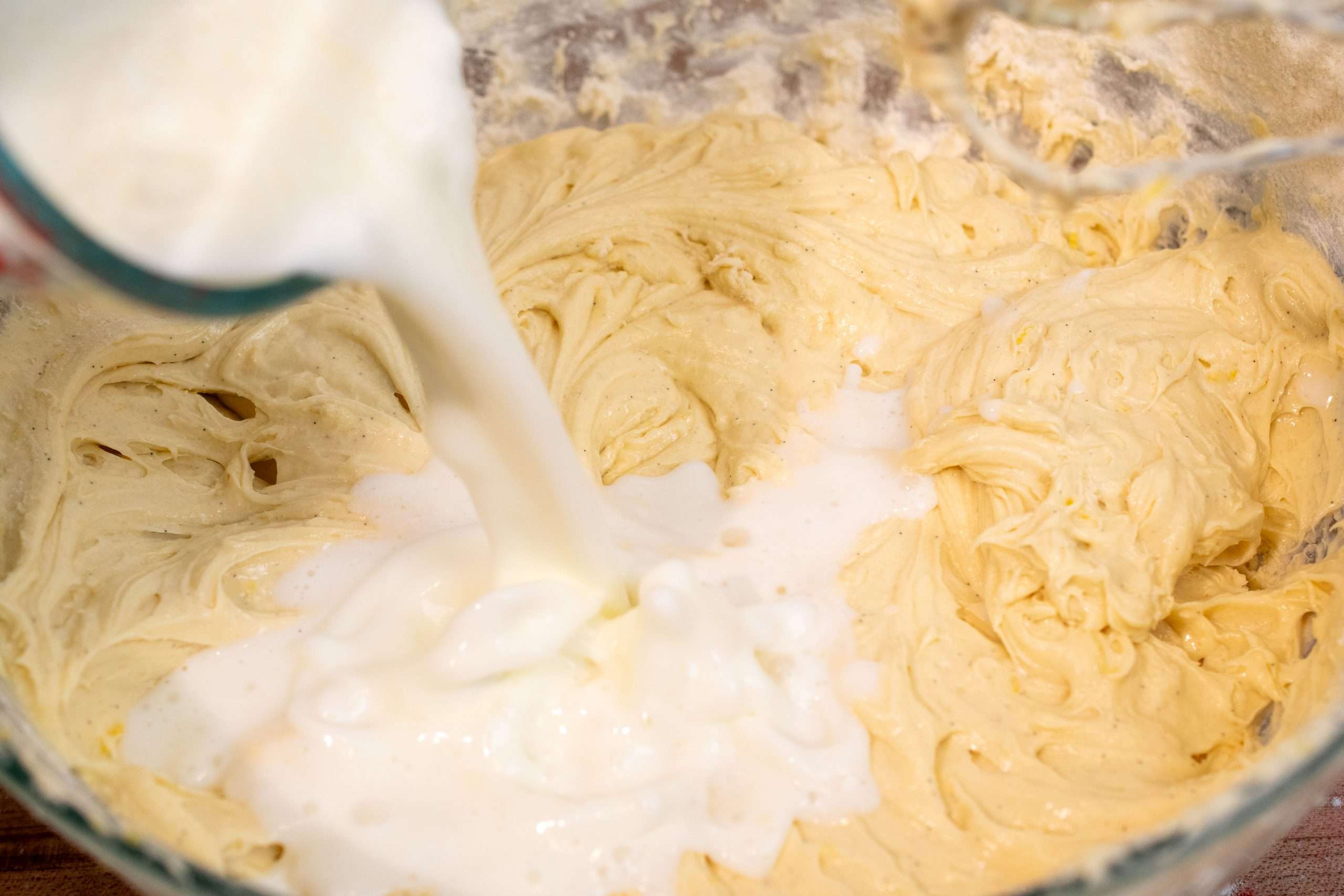
Buttermilk’s acidity tenderizes gluten, resulting in a softer crumb. It also reacts with baking soda to give the cake a better rise. You can also sub it with yogurt or sour cream in a pinch—but I love keeping buttermilk on hand. I honestly use it in most of my baking… and who doesn’t love buttermilk pancakes?
5. Eggs at Room Temp = Better Texture
Room temperature eggs incorporate better into batter and help trap air during mixing—both of which contribute to a moist and fluffy cake. Cold eggs can cause the batter to break or curdle. This honestly goes for all ingredients, such as milk. Here’s why using room temperature ingredients matters.

Quick tip: Place cold eggs in a bowl of warm water for 5 minutes. For milk or other liquids, microwave them for about 30 seconds to take the chill off.
6. Mixing Methods That Keep Cakes Fluffy
Want fluffiness? Don’t overmix. That’s one of the quickest ways to ruin a cake.
- Reverse Creaming: This is my personal favorite method for vanilla cakes. Coating the flour in fat before adding liquid creates a tender, velvety crumb. Check out the method in detail here.
- Creaming Butter & Sugar: The classic method that incorporates air for lift. Just make sure not to overmix once the flour is added. I love this method for red velvet cake, vanilla pound cake, or my funfetti cake.
7. Avoid Overbaking to Keep Cakes Moist
Even the most perfect batter can’t survive an extra 10 minutes in the oven. Use an oven thermometer to check your actual temperature and test your cakes with a toothpick a few minutes before the suggested time.
Remember, every oven is different—recipe times are guidelines, not strict rules.
Pro tip: I pull my cakes when there are a few moist crumbs on the toothpick. Cakes keep baking after coming out of the oven from residual heat in the pan, so pulling them out at this stage guarantees a moist and fluffy cake. I do the same method with cookies!
8. Freeze Cakes While Warm to Lock in Moisture
This is a professional baker’s secret—and what I do for EVERY cake. After your cakes bake and cool for about 15 minutes in the pan, wrap them tightly in plastic wrap and freeze until you need them (they can stay frozen for up to 3 months).
Here’s the magic: the steam rises and hits the plastic wrap, has nowhere to go, and gets trapped inside the cake—locking in moisture.
The rumors aren’t true—freezing doesn’t make your cake dry. If anything, it makes it even more moist. Just be sure to let the cake come back to room temp before serving for the best taste.

Final Tip: Start with a Trustworthy Recipe
Sometimes it’s not you—it’s the recipe. Use one that’s been tested and loved (like my famous vanilla cake recipe) and build from there.
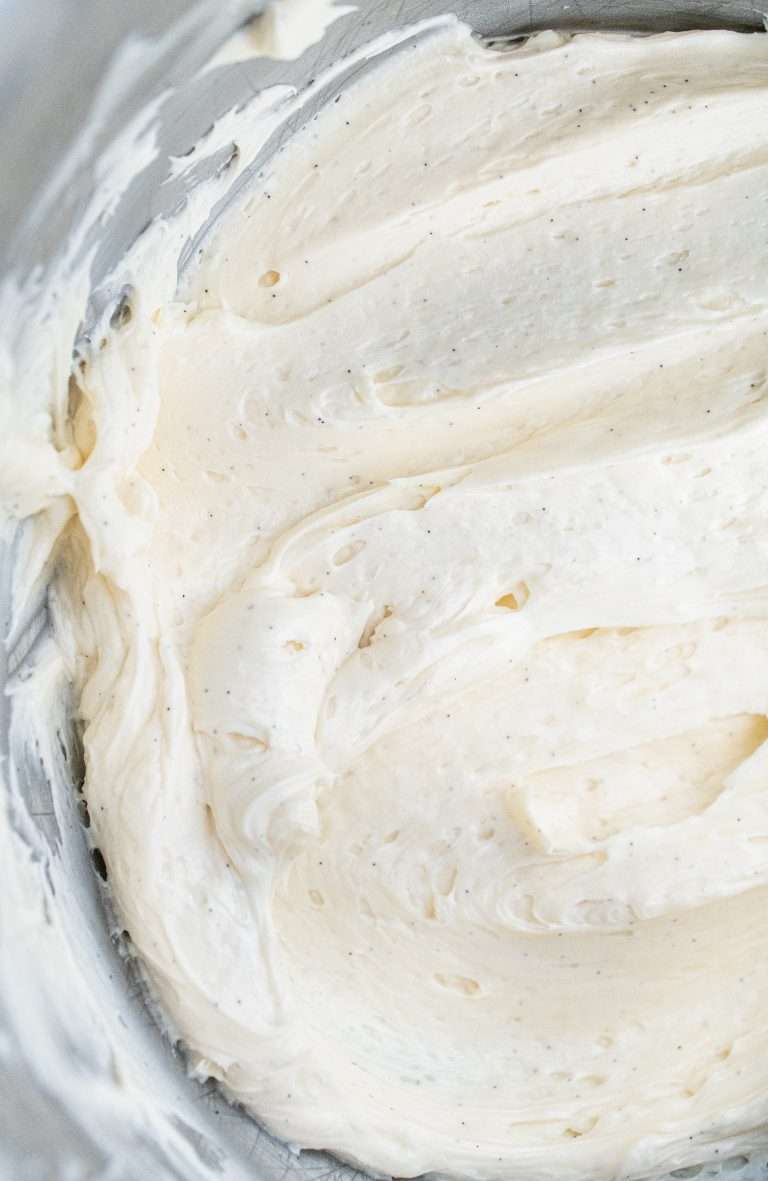
Want to never bake a dry cake again? Bookmark this post and share it with a fellow baker. Your cakes—and your taste testers—will thank you. You’re officially on the path to moist and fluffy cakes but don’t forget the frosting. Try out my viral Easy Vanilla Buttercream Recipe. Have fun baking!


This cake recipe looks absolutely delicious. I love how simple the steps are can’t wait to try it this weekend. Thanks for sharing such a sweet treat.