

Cake Flour vs All-Purpose Flour: Which is Better for Cakes?
Cake Flour vs All-Purpose Flour — which one is better for baking cakes? When it comes to creating the perfect cake, every ingredient matters, and flour plays a bigger role than you might think. If you’ve ever found yourself wondering whether to grab cake flour or stick with all-purpose flour for your favorite cake recipes, you’re definitely not alone.
Both flours can produce delicious cakes, but they work very differently depending on the type of cake you want. This guide will break down the key differences between cake flour and all-purpose flour, when to use each, and how to substitute one for the other if you’re in a pinch.
And if you really want bakery-style results, be sure to check out my full guide on how to make any cake moist and fluffy.

Whether you’re baking a light vanilla cake or a rich chocolate cake, this post will help you choose the best flour for the job — and ensure your cakes turn out perfectly every time.
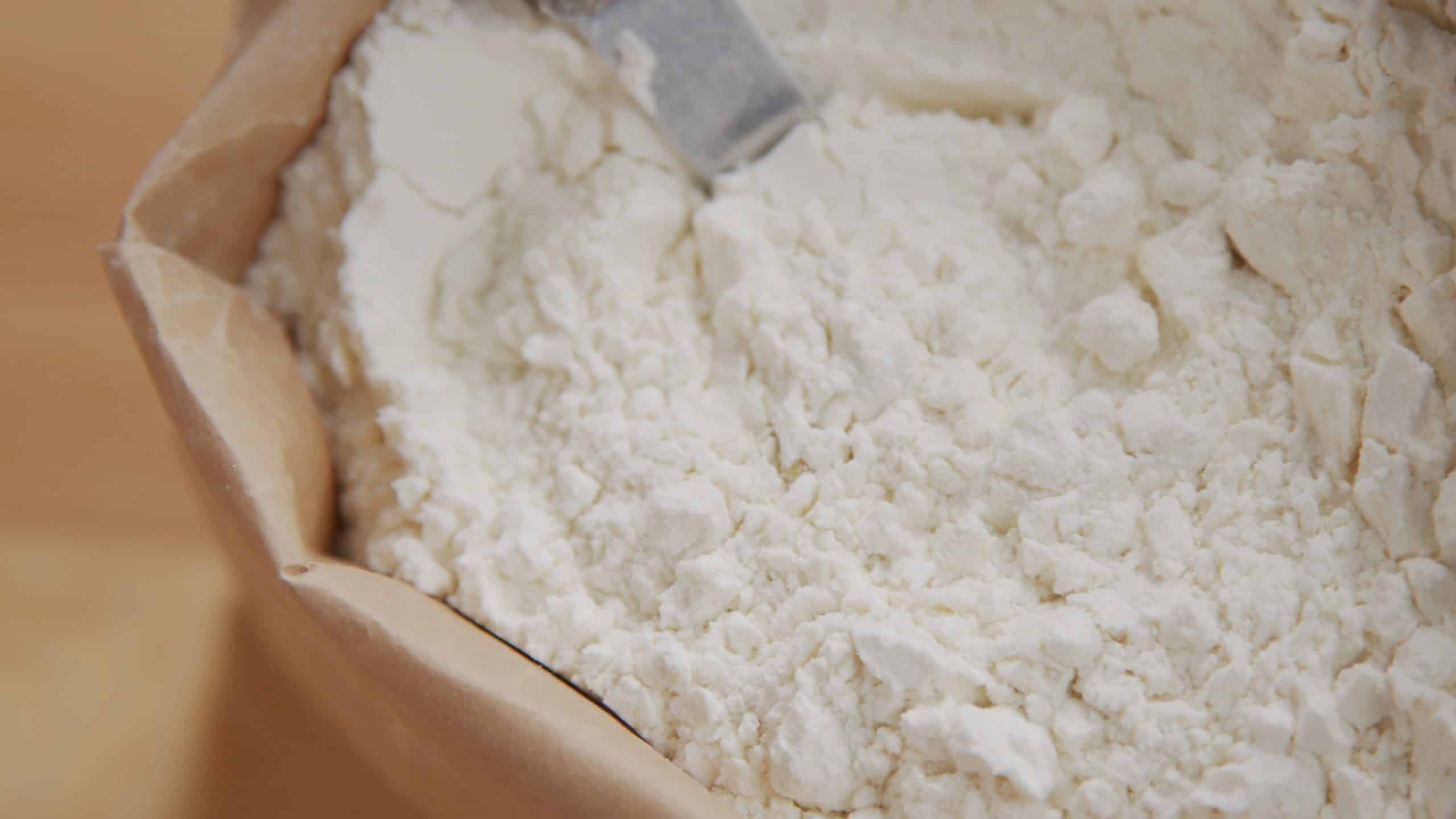
What is Cake Flour?
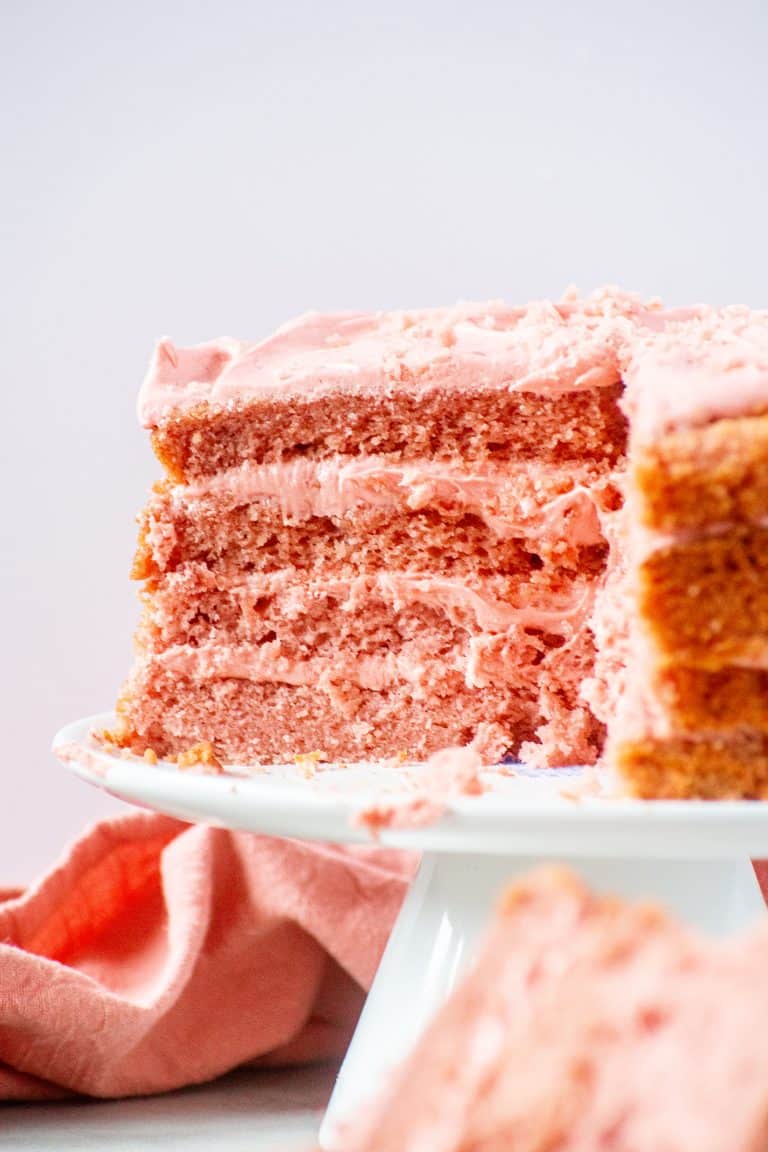
Cake flour is a low-protein flour, with a protein content of 6-8%, much lower than all-purpose flour’s 10-12%. This low protein content is important because less protein means less gluten formation, which translates into a cake with a tender, soft crumb — exactly what you want in delicate cakes like sponge cakes, angel food cakes, or layer cakes.
The other unique feature of cake flour is its fine texture. Cake flour is milled more finely than all-purpose flour, making it light and powdery, which helps create those soft, airy layers that practically melt in your mouth. My favorite brand of cake flour is Swans Down and you can purchase it here.
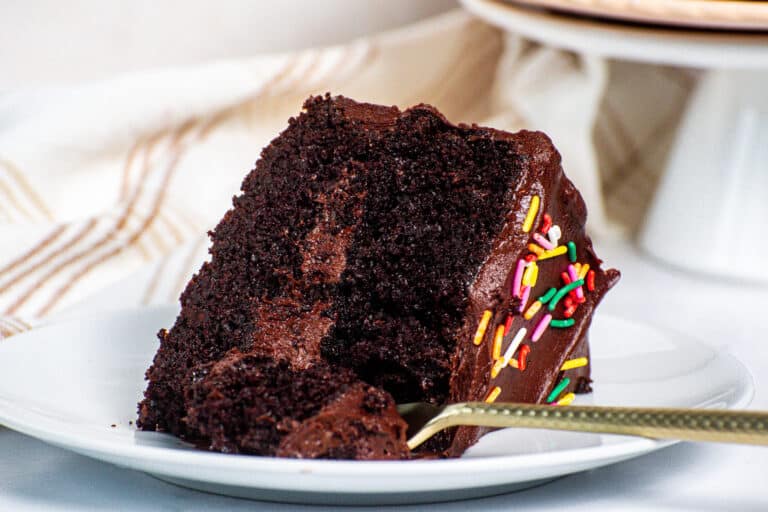
👉 Try cake flour in my Famous Vanilla Cake Recipe or my Easy Funfetti Cake Recipe for a perfect example of how soft and tender it can make your cake layers.
What is All-Purpose Flour?
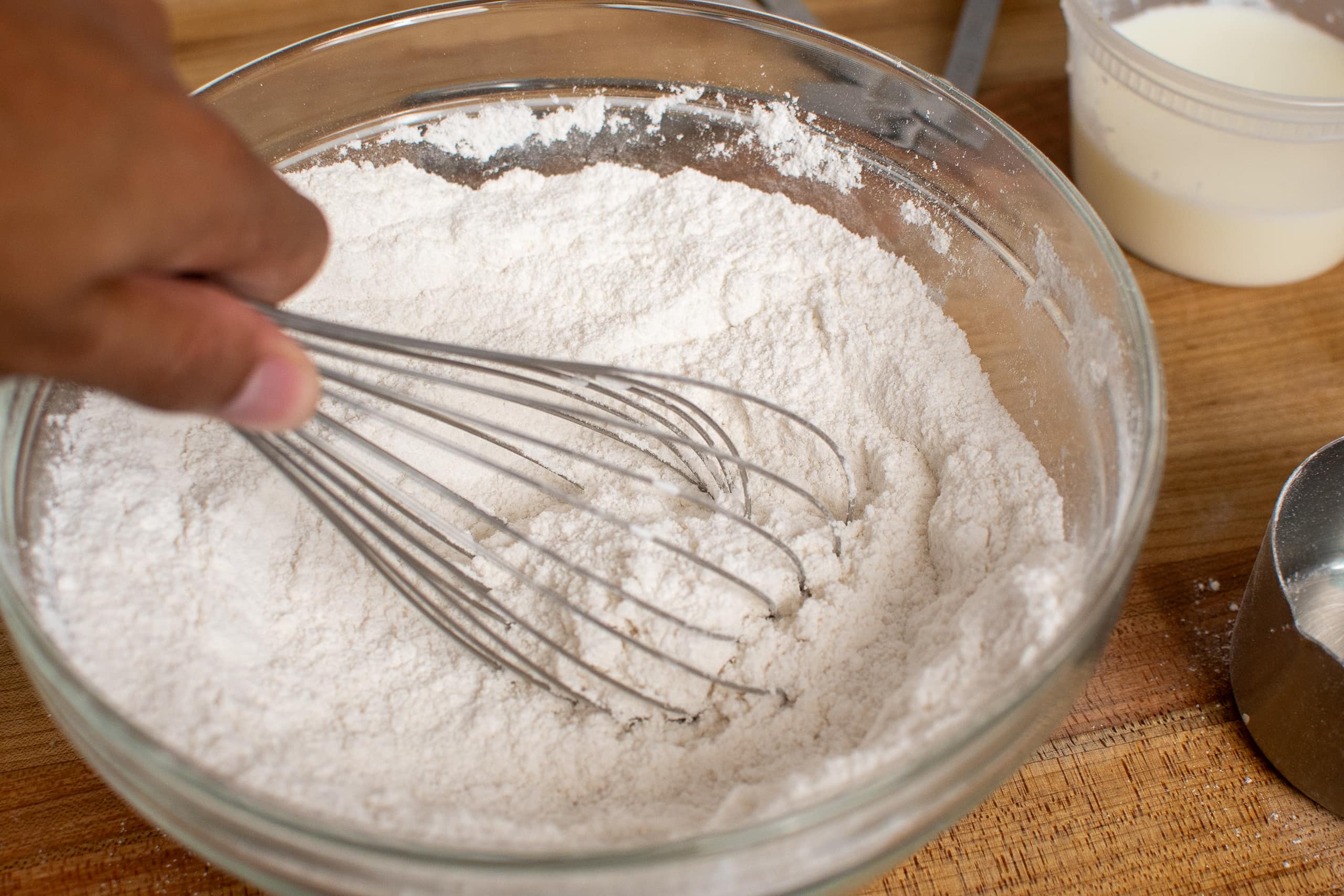
As the name suggests, all-purpose flour is the jack-of-all-trades of the baking world. It works well for cookies, bread, muffins, and yes — even cakes. All-purpose flour has a higher protein content (10-12%), which produces more gluten when mixed with liquids. More gluten means a cake with more structure, which can be a good thing for denser cakes like pound cakes or chocolate cakes.
While all-purpose flour cakes may not be quite as tender as those made with cake flour, they can still be moist, rich, and flavorful when handled correctly.
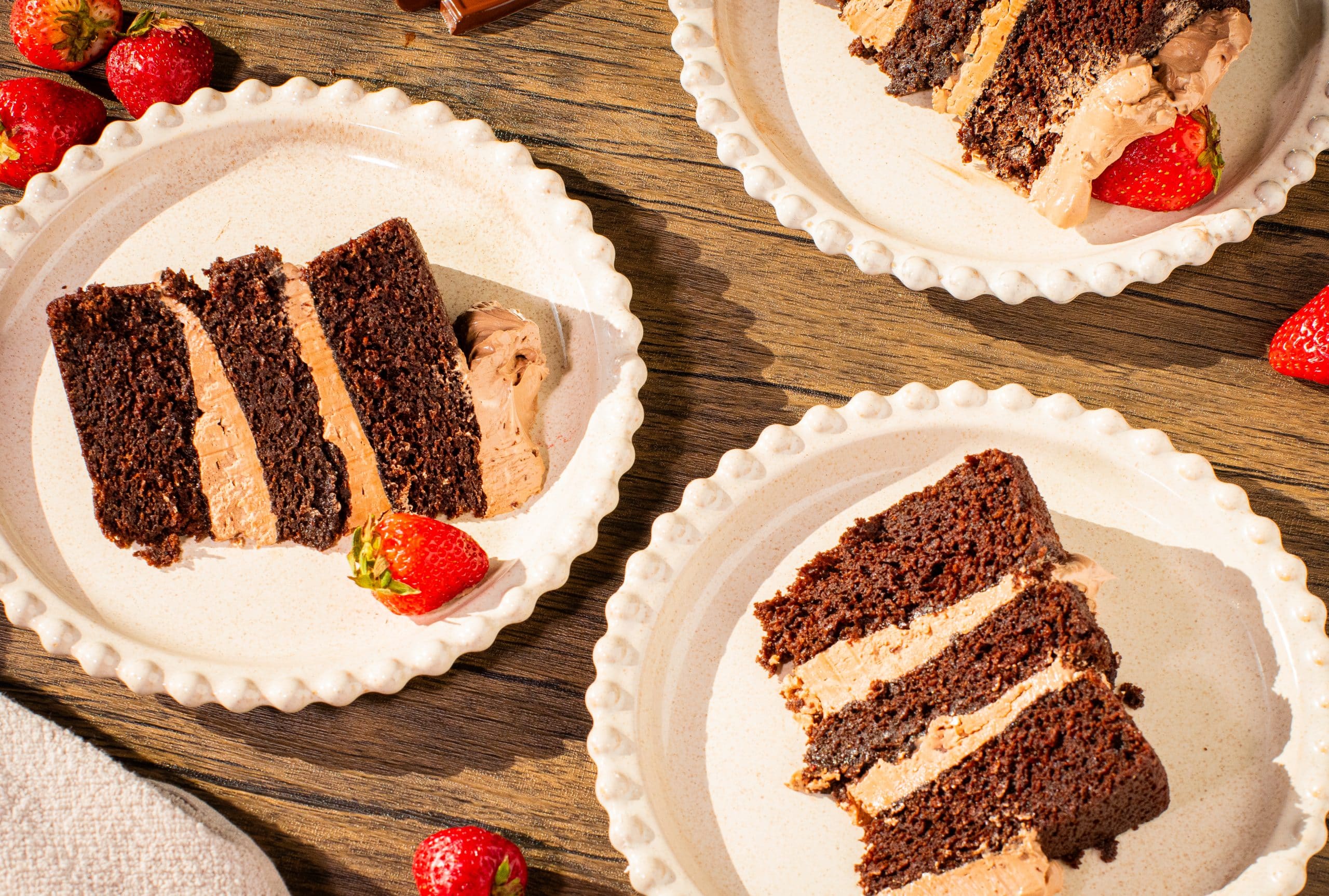
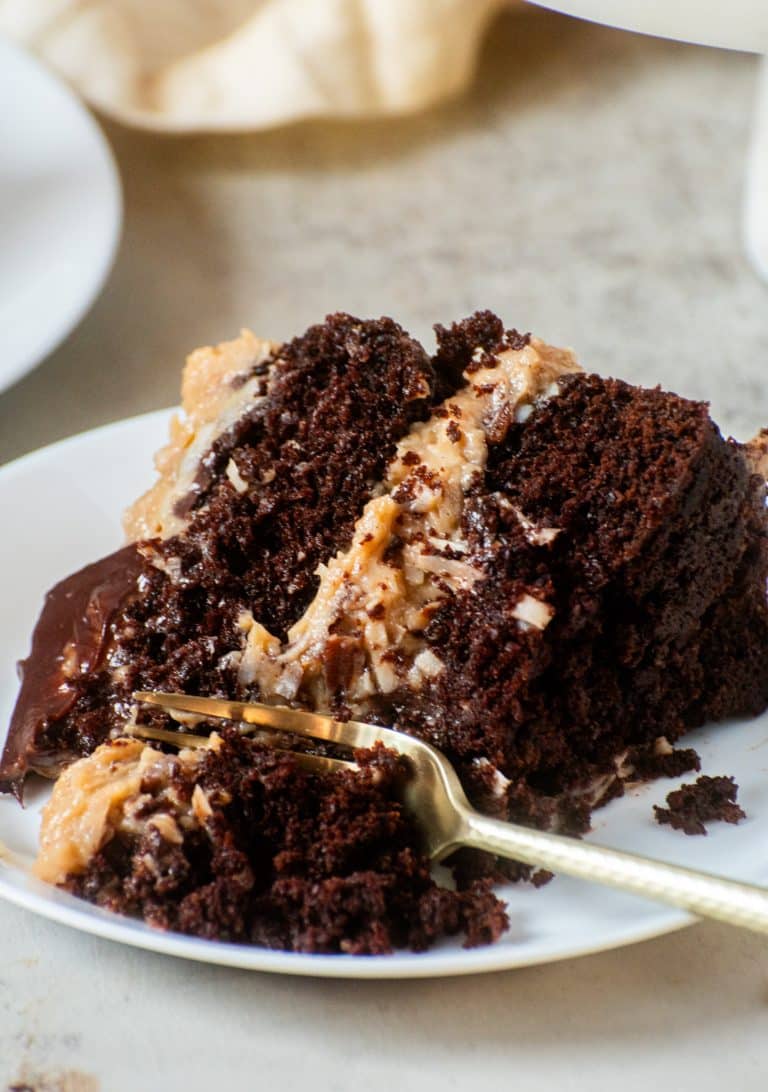
👉 See how all-purpose flour shines in my Moist Chocolate Cake Recipe or Vanilla Pound Cake.
Cake Flour vs All-Purpose Flour: Side-by-Side Comparison
| Feature | Cake Flour | All-Purpose Flour |
|---|---|---|
| Protein Content | 6-8% | 10-12% |
| Gluten Formation | Low (tender crumb) | Higher (chewier crumb) |
| Texture | Very fine and soft | Slightly coarse |
| Best For | Light, airy cakes | Denser, sturdy cakes |
| Examples | Vanilla cake, angel food cake, chiffon cake | Pound cake, carrot cake, chocolate cake |
| Substitution | AP flour – 2 tbsp + 2 tbsp cornstarch | Can substitute for cake flour with adjustments |
Can You Substitute All-Purpose Flour for Cake Flour?
Yes — with a simple trick, you can make a cake flour substitute using all-purpose flour and cornstarch.
Cake Flour Substitute Recipe
- 1 cup all-purpose flour
- Remove 2 tablespoons of flour
- Replace with 2 tablespoons cornstarch
- Sift well (at least twice)
The cornstarch lightens the protein content of the all-purpose flour, helping you achieve a more tender cake texture closer to cake flour.
When to Use Cake Flour vs All-Purpose Flour
Use Cake Flour When:
- You’re baking delicate cakes like sponge cake, chiffon cake, or white cakes.
- You want a very soft, light crumb.
- The cake should be light and airy, not heavy.
Use All-Purpose Flour When:
- You’re baking denser cakes like banana cake, or pound cake.
- You want more structure for layered cakes with heavy fillings. That’s why I use all-purpose flour in my Blueberry Lemon Cake — it gives the batter enough strength so the blueberries stay evenly distributed and don’t sink to the bottom!
- You want more versatility — all-purpose flour can be used for cookies, muffins, banana bread, and more.
Which Flour is Better for Cakes?
The truth is — neither is “better” across the board. The best flour for cakes depends entirely on the type of cake you’re making.
- If you want a light, delicate, tender cake, cake flour is the best choice.
- If you want a richer, denser cake or something that can hold up under heavy fillings or frosting, all-purpose flour works well.
Pro Tip: Test Both!
Want to see the difference yourself? Try baking the same cake recipe with both flours. Compare the textures, flavors, and how the cake holds up. You might even find you prefer a blend of the two for certain recipes.
My Favorite Cake Recipes
- 🍰 My Famous Vanilla Cake Recipe — Best with cake flour for a soft crumb.
- 🍫 Rich Chocolate Cake Recipe — Perfect with all-purpose flour.
- 🥕 Moist Carrot Cake Recipe — Cake flour is perfect for this moist cake.
- 🎂 Browse All Cake Recipes — Find the perfect cake for every occasion.

FAQs:
Is Cake Flour Really Better for Cakes?
It depends on the cake! Cake flour works best for light, airy cakes where tenderness is key. All-purpose flour works well for denser, richer cakes.
Does Cake Flour Make a Cake More Moist and Fluffy?
Not necessarily. Cake flour helps create a softer, finer crumb, but true moisture and fluffiness come from a combination of techniques. Check out my full guide to making cakes moist and fluffy here.
Can I Use All-Purpose Flour Instead of Cake Flour?
Yes, but you’ll need to adjust it. Use the substitution method: 1 cup all-purpose flour – 2 tablespoons, plus 2 tablespoons cornstarch. Recipe below.
Why Does Cake Flour Make Cakes Softer?
Cake flour has less protein, so it forms less gluten when mixed. Less gluten means a softer, more tender cake crumb.
What Cakes Should Use All-Purpose Flour?
Denser cakes like pound cake and chocolate cake do well with all-purpose flour because they need a little more structure.

Choosing between cake flour and all-purpose flour doesn’t have to be complicated. Once you understand how they behave, you can select the right flour for the cake you want — or even experiment with blending them for the perfect balance.
Ready to bake your next masterpiece? Explore my full collection of tips—including the importance of room temperature ingredients—and cake recipes here to start baking with confidence today!
Instructions
- Measure 1 cup of all-purpose flour.
- Remove 2 tablespoons of the flour.
- Replace the 2 tablespoons of flour with 2 tablespoons of cornstarch.
- Sift the mixture together at least twice to ensure it's well combined and light. Happy Baking!
Video
Notes
For larger batches, scale up using the same ratio: remove 2 tablespoons of flour per cup and replace with 2 tablespoons cornstarch.



Worked Great
What’s the difference between bleached and unbleached AP flour?
Bleached ap flour has been chemically treated to be whiter, softer and more tender. Its better for most baking like cakes, cookies etc. Its still not as soft and lower in protein content as cake flour though. Regular unbleached ap flour hasnt been treated so its more raw, has more of a flavor and is better for breads. Hope that helps 🙂
Hi Justin, how would I go about making this into a half or whole sheet cake? Maybe even with two layers.
Depending on what cake recipe and what size your sheet is, I would just double the recipe and pour the batter into the pans until about 2/3 filled.
Justin
Please show. us how you are measuring the flour. The video show you doing dip and sweep but should we be doing the spoon in ? The amounts differ! Please help before we goof it all up!
Thanks